
The Allure of Chance: Why People Are Drawn to Gambling
The thrill of unpredictability is a powerful magnet that attracts individuals to casino games. At the core of gambling is the element of chance, which invokes a sense of excitement and anticipation. This psychological stimulation manifests in various forms, such as the rush of adrenaline when the reels spin or the cards are dealt. For many players, this rush provides a temporary escape from their daily routines, inducing a sense of freedom and euphoria that is hard to resist, especially when they explore pokies online nz in the comfort of their homes. The bright lights and sounds of a casino further heighten this experience, creating an atmosphere that is both intoxicating and inviting.
Additionally, the aspect of risk plays a critical role in the allure of casino games. Many individuals are naturally risk-takers, finding satisfaction in stepping outside their comfort zones. The prospect of a high reward for a relatively small investment can be incredibly appealing. This blend of excitement and the potential for financial gain fosters a unique environment where players are encouraged to take chances, often leading to repeated visits to casinos in search of that next high. The more someone wins, the more they may feel emboldened to wager larger amounts, further deepening their engagement with the game.
Furthermore, social factors compound the attraction to casino environments. The communal aspect of gambling, whether at a physical location or online, creates opportunities for camaraderie and shared experiences among players. The interactions with dealers and fellow gamblers contribute to the overall enjoyment of the games. This combination of social engagement and excitement heightens the emotional highs, making the casino experience even more compelling and attractive. Players often celebrate wins together, reinforcing their desire to return for future play, as they build relationships and share their gambling journeys.
The Role of Reinforcement in Gambling Behavior
Reinforcement is a fundamental concept in behavioral psychology that describes how rewards can shape actions. In the world of casino games, variable reinforcement plays a crucial role in maintaining player engagement. Unlike fixed rewards, variable rewards are unpredictable; players may win big after several losses, which creates a psychological pattern that encourages repeated play. This unpredictability in outcomes reinforces the behavior, creating a cycle that keeps players returning for more despite the risks involved. The element of surprise keeps players on the edge of their seats, making every spin or deal a potential moment of triumph.
The concept of “near misses” also contributes to this cycle of reinforcement. When players come close to winning—a situation often engineered by the game designers—they experience a psychological rush. These near-misses activate the brain’s reward centers similarly to actual wins, leading players to believe that success is just within reach. Consequently, players may increase their gambling efforts in an attempt to reach that elusive victory, despite the reality of their losses. This phenomenon can create a false sense of hope, making it difficult for players to recognize the actual odds against them.
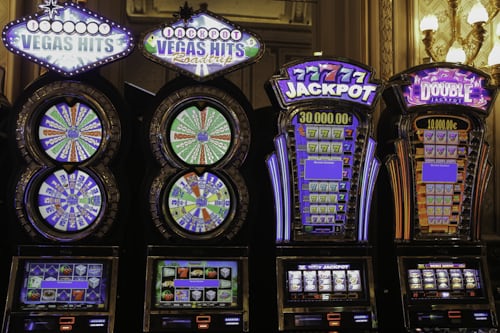
Eventually, the combination of both near misses and variable reinforcement can lead to a phenomenon known as “chasing losses.” Players believe that they can recover their losses through continued play, which often results in even greater financial risk. This compulsion can spiral into problematic gambling behavior, highlighting the importance of understanding the psychological mechanisms at play when engaging with casino games. By recognizing these triggers, players can better navigate their gambling habits and mitigate potential negative impacts on their lives, such as financial difficulties and personal relationships suffering from their gambling actions.
The Psychological Impact of Winning and Losing
The emotional highs and lows associated with gambling can have significant psychological effects on players. Winning induces strong feelings of happiness and exhilaration, often transforming the player’s mood and outlook. This positive reinforcement is a major component that keeps individuals coming back to the casino. The euphoric experiences linked to winning can lead to fantasy-like thoughts, where players may start to believe they have mastered the games or that luck is always on their side. This illusion of control can be particularly dangerous, as it may encourage players to gamble more in hopes of achieving that same high.
On the other hand, losing can trigger a range of negative emotions, including frustration, sadness, or even anger. These feelings can have lasting effects on a player’s psychological state, resulting in stress and anxiety. Losing streaks can lead players to question their abilities or self-worth, creating a harmful cycle of negative emotions that may drive them to gamble even more in an attempt to recapture their previous highs. Understanding this emotional rollercoaster is crucial for players to manage their well-being effectively and avoid falling into destructive patterns.
Furthermore, the psychological impact of wins and losses can extend beyond the gambling environment. Players may find it challenging to anticipate or manage their emotions in everyday life, as the intensity of gambling experiences can overshadow more mundane feelings. This dominance of gambling-related emotions can lead to impulsive decisions and strained relationships. Awareness of these psychological effects is vital for players as they strive to maintain a balanced perspective, ensuring that gambling remains a form of entertainment rather than a source of distress.
Social Influence and Gambling Culture
The social environment plays an integral role in shaping gambling behaviors. From peer pressure to cultural norms surrounding gambling, the influences can significantly affect an individual’s decision to engage in casino games. In many cultures, gambling is seen as a rite of passage or a form of entertainment, which can normalize the activity and encourage participation. This cultural context can lead individuals to partake in gambling more frequently, driven by societal expectations or the desire to fit in with peers. The normalization of gambling within social circles can perpetuate a cycle of engagement that may be difficult to break.

Casino marketing strategies also contribute to the social allure of gambling. Promotions, events, and loyalty programs are often designed to appeal to group dynamics, encouraging friends and family to engage in gambling together. This aspect of social interaction enhances the gambling experience, as players celebrate wins collectively and commiserate over losses. The social environment thus amplifies the psychological effects of the games themselves, making the experience more memorable and enjoyable. The presence of community events can create a festive atmosphere, making gambling feel like a communal activity rather than an isolated endeavor.
Additionally, the rise of online gambling platforms has transformed the social dynamics of casino games. Virtual communities have emerged, allowing players to connect and engage through forums, social media, and streaming platforms. These digital interactions foster a sense of belonging and shared experience, which can further amplify the psychological impact of gambling. The combination of traditional and modern social influences continues to shape how individuals perceive and approach gambling activities, posing new challenges and opportunities in understanding gambling behavior.
Exploring Responsible Gambling and Resources
Understanding the psychological factors that underpin casino games is essential for promoting responsible gambling practices. Players must be aware of the emotional and psychological triggers that can lead to unhealthy gambling behavior. Recognizing signs of problem gambling is the first step towards seeking help or making more informed decisions when engaging with casino games. This awareness enables players to create boundaries that protect their mental health and financial well-being, fostering a healthier relationship with gambling.
Resources and support systems are available for individuals struggling with gambling-related issues. Many organizations provide counseling, educational materials, and support groups to assist those in need. Additionally, casinos and online platforms are increasingly implementing responsible gaming measures, such as self-exclusion options and limits on deposits. Engaging with these resources can help individuals regain control over their gambling habits and encourage a healthier relationship with casino games. Having access to professional guidance can empower players to make positive changes and recognize when their gambling habits may be becoming problematic.
Education and community awareness surrounding the psychological aspects of gambling are vital. By fostering discussions about the effects of gambling on mental health, we can create a more supportive environment for players. Encouraging transparency and open conversations can empower individuals to make informed choices, reducing the stigma associated with seeking help and promoting a culture of responsible gambling. The more informed players are about the psychological dynamics at play, the better equipped they will be to enjoy casino games responsibly and sustainably.