
The House Edge Explained
The house edge is a fundamental concept in gambling that refers to the mathematical advantage that casinos have over players. Every game is designed with a built-in edge, ensuring that over time, the house will always have the upper hand. For instance, in games like blackjack and roulette, the house edge typically ranges from 1% to 10%. This means that for every $100 wagered, the casino expects to retain a certain percentage, which ultimately leads to players losing money in the long run. Many people prefer to choose casino sites fast withdrawal options to minimize the time it takes to access their winnings. Understanding this principle is crucial for any gambler looking to navigate the casino landscape effectively.
By grasping how the house edge works, players can make informed decisions about where to place their bets. Some games, such as baccarat, boast a lower house edge compared to others, making them more favorable for players. Conversely, games like keno often have a significantly higher house edge, which can diminish a player’s chances of winning. This knowledge allows gamblers to choose games that align with their risk tolerance and gaming preferences, ultimately affecting their overall experience and potential for success.
While short-term wins can create a false sense of security, the long-term implications of the house edge create a significant barrier to achieving consistent success. Many gamblers find themselves chasing losses, believing they can outsmart the system. However, understanding the mechanics of the house edge is vital for developing a practical approach to gambling. By embracing this knowledge, gamblers can set realistic expectations about winning and losing, which can lead to a more enjoyable and sustainable gaming experience.
Strategies for Beating the House
Numerous gamblers embark on a quest to discover strategies that could potentially tilt the odds in their favor, despite the inherent house edge. One well-known technique is card counting in blackjack, where players attempt to keep track of the ratio of high to low cards remaining in the deck. By doing so, they can adjust their betting strategy based on the probabilities, which may lead to increased payouts during favorable situations. However, it requires a high level of concentration and a good understanding of the game’s dynamics, making it suitable primarily for dedicated players.
Another commonly discussed method is the implementation of betting systems, like the Martingale strategy, where players double their bets after each loss. This approach is predicated on the belief that a win will eventually occur, allowing them to recoup losses and ultimately achieve profit. While tactics like these can yield short-term gains, they also carry considerable risk, particularly during extended losing streaks that could deplete a player’s bankroll before they can capitalize on any eventual winning streak. Such strategies necessitate a careful balance between aggression and caution.
It’s essential to recognize that these strategies are designed to minimize losses rather than guarantee consistent wins. Each game is governed by its own set of rules and odds, and while some players might experience temporary success with these tactics, the reality is they can lead to substantial losses if not executed cautiously. Therefore, players must maintain discipline and remain cognizant of their limits, ensuring they gamble responsibly while seeking ways to enhance their enjoyment rather than solely focusing on profit.
The Role of Luck Versus Skill
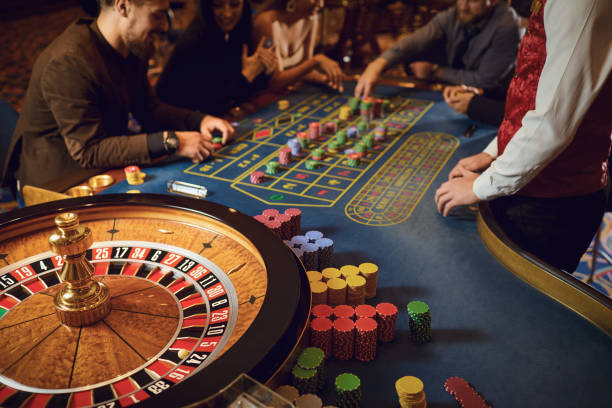
In the realm of gambling, both luck and skill play significant roles, but their impact can vary dramatically depending on the game being played. In purely chance-based games such as slots or roulette, luck overwhelmingly dictates the outcomes. The results are entirely random, and players have very little control over their odds of winning. This randomness contributes to the excitement and uncertainty that attracts many players to these games, even though the chances of consistent wins are slim. It’s crucial for players to understand that, ultimately, luck is the primary driver in these scenarios.
In contrast, skill-based games such as poker and blackjack allow players to influence the game’s outcome through strategic decision-making. In poker, for instance, a player’s ability to read opponents and understand psychological nuances can significantly affect their success. Successful players often engage in continuous education and practice to refine their skills, distinguishing themselves from casual players who may depend solely on luck to guide their gameplay. This distinction highlights the importance of investing time into learning the intricacies of skilled games.
The balance between luck and skill in gambling often ignites spirited debates among players. Some argue that skill can mitigate the house’s advantage, creating opportunities for players to achieve exceptional results. However, the unpredictability of luck means that no strategy can be deemed foolproof. Gamblers must recognize that while they might improve their chances in skill-based games, they remain susceptible to the whims of fortune that characterize the gambling experience. This duality adds to the complexity and allure of gambling for many enthusiasts.
The Psychological Aspects of Gambling
The psychology of gambling profoundly influences players’ decisions and behaviors. Many individuals are drawn to gambling due to the thrill of risk and the allure of potential rewards. This psychological element creates a potent mix that can lead to both positive and negative experiences. For some, the adrenaline rush associated with the possibility of winning can become addictive, resulting in risky behaviors and poor financial choices. Understanding these drivers is essential for gamblers who wish to maintain a healthy relationship with gambling.
Moreover, cognitive biases, such as the illusion of control, significantly impact gamblers by fostering a false sense of confidence in their ability to predict outcomes. For example, a player might believe they can influence the results of a slot machine by selecting specific machines or times to play. This misconception can lead them to overestimate their winning chances, encouraging continued play even when they are on a losing streak. Recognizing these biases is essential for responsible gaming and avoiding detrimental habits.
Recognizing these psychological factors is vital for gamblers who wish to manage their habits responsibly. By being aware of how emotions and mental states can affect their gambling decisions, players can approach their gaming sessions with a clearer mindset. By understanding emotional triggers and establishing personal limits, gamblers can cultivate healthier habits, ultimately leading to a more enjoyable experience that is less reliant on luck for happiness. This self-awareness can be a game-changer in the pursuit of a balanced gambling experience.
Conclusion and Resources for Gamblers
The pursuit of beating the house is a challenging journey filled with both risks and potential rewards. While the house edge is an undeniable reality, players can adopt strategies to enhance their overall gaming experience and possibly gain a slight advantage. Comprehending the interplay between luck and skill, along with a solid awareness of psychological influences, can empower gamblers to make well-informed decisions that enhance their experience. This understanding fosters a more responsible approach to gambling.
Additionally, it is crucial for players to seek out resources that encourage responsible gambling practices. Numerous organizations and websites provide valuable insights on managing gambling habits, understanding odds, and recognizing signs of addiction. Gaining knowledge and maintaining awareness are essential components in fostering a positive gambling experience while mitigating the risks associated with gambling losses. These resources can provide essential support and guidance for anyone looking to navigate the complexities of gambling.
Ultimately, gambling should be approached as a form of entertainment rather than a dependable source of income. By keeping a balanced perspective and utilizing available resources, players can navigate the complexities of gambling responsibly, ensuring that their activities remain enjoyable and well within their financial means. This approach allows for a more sustainable and fulfilling gambling experience that prioritizes enjoyment over profit.